
Thermoplastic vs. Paint Striping: Which Is Right for Your Lot?
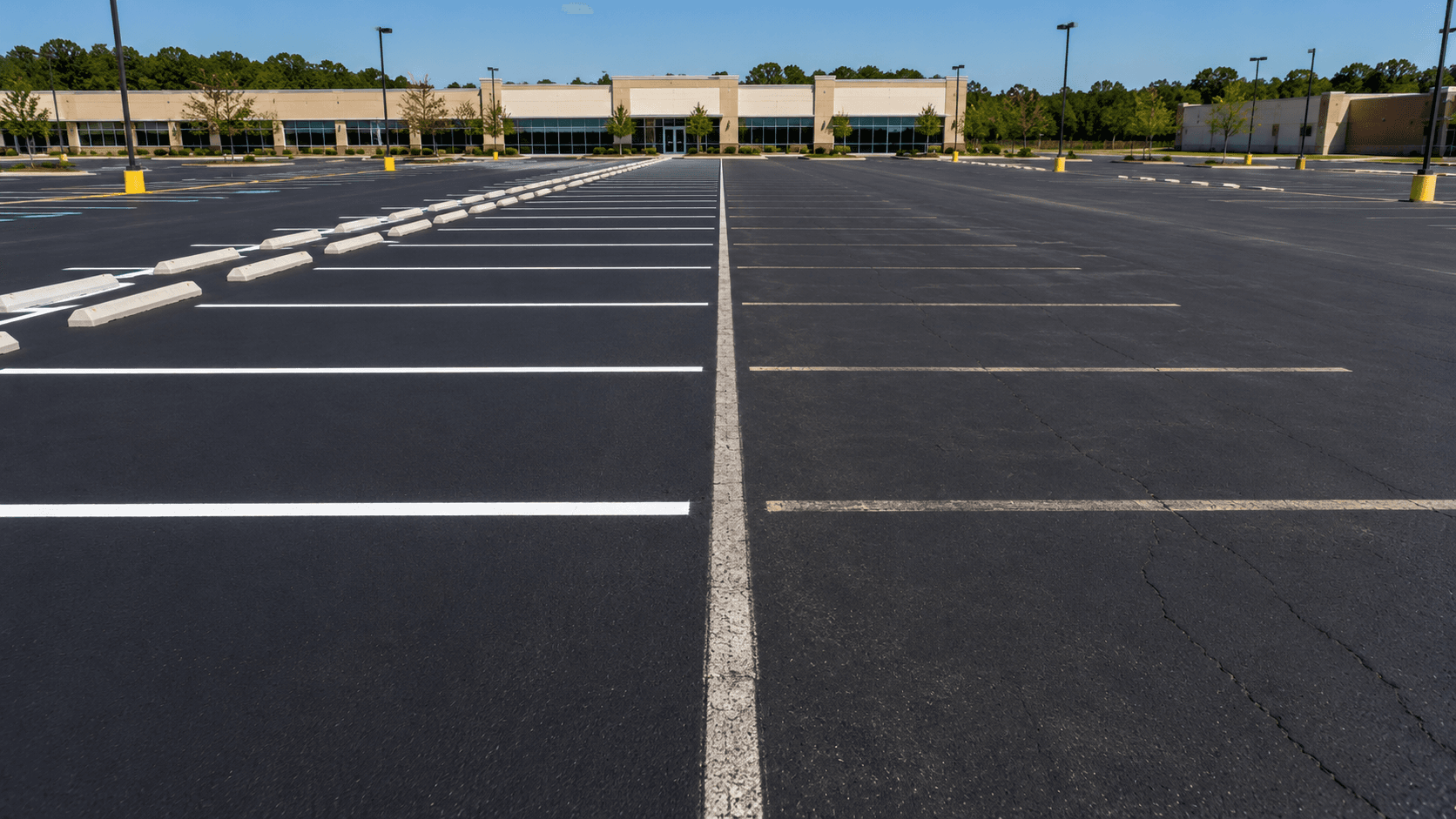
This is one of the first questions I get on almost every striping quote: paint, or thermoplastic? There's a right answer for most lots, but it's not the same answer for every part of the lot.
I'm Gabriel, founder of FineLines. We stripe commercial lots across 45+ states with both materials, so let me break down honestly where each one earns its keep.
The Quick Answer
Use paint for standard stall lines across most of the lot. Use thermoplastic for the high-wear areas: fire lanes, crosswalks, and the main traffic lanes that see the most tire contact. That combination gets you the best value on most commercial properties.
Traffic Paint: The Standard Choice
Traffic paint is exactly what it sounds likea durable paint formulated for pavement, applied by a line striping machine.
- Pros: lower cost, fast application, dries quickly, easy to update or change layouts
- Cons: wears down faster under heavy traffic, fades from UV exposure, typically needs reapplication every 1–2 years
For standard parking stalls that see passenger vehicle traffic and get re-striped on a normal maintenance cycle anyway, paint is usually the smarter economic choice.
Thermoplastic: The Heavy-Duty Choice
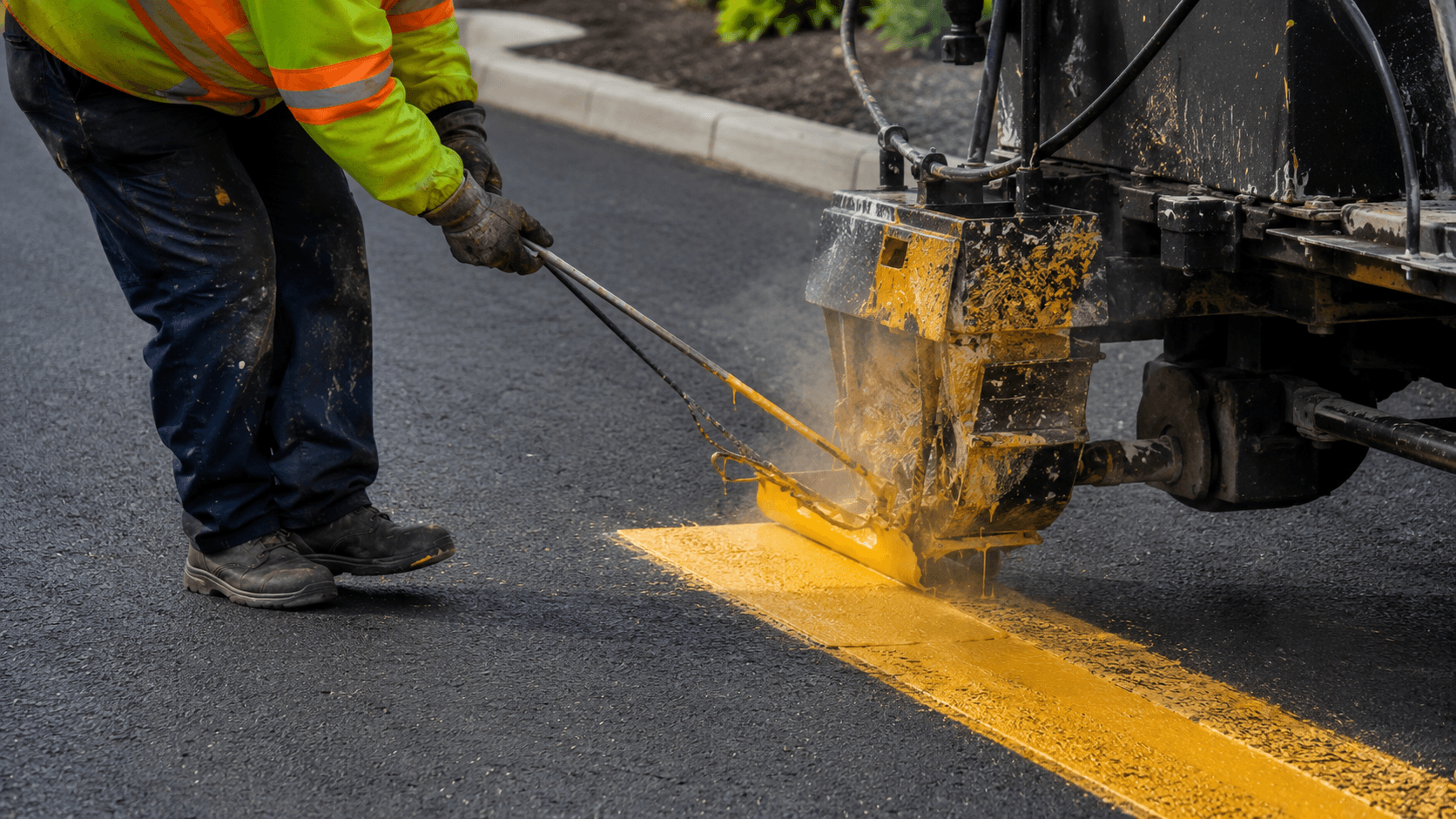
Thermoplastic is a solid material that's heated until it melts, then applied and fused directly into the pavement surface as it cools.
- Pros: lasts 3–7 years versus 1–2 for paint, holds up far better under heavy traffic, stays visible longer, more reflective and durable in wet conditions
- Cons: higher upfront cost, requires specific equipment and application conditions, harder to reconfigure quickly if the layout changes
Thermoplastic earns its higher cost in the areas that take the most abuse places where paint would need re-application every year anyway.
| Traffic Paint | Thermoplastic | |
|---|---|---|
| Typical lifespan | 1–2 years | 3–7 years |
| Cost per linear foot | $0.10–$0.25 | $1.50–$3.50 |
| Best for | Standard stalls, full re-stripes | Fire lanes, crosswalks, main lanes |
| Wear resistance | Moderate | High |
| Ease of layout changes | Easy | More involved |
Where to Use Each on Your Lot
Here's how I'd map out a typical commercial lot:
- Standard parking stalls: paint. They're re-striped periodically anyway, and paint keeps the cost down.
- Fire lanes: thermoplastic. These need to stay visible and compliant, and they take constant tire contact from turning vehicles.
- Crosswalks and pedestrian paths: thermoplastic. High foot and vehicle traffic wears paint down fast here.
- Main circulation lanes and entrances: thermoplastic. These see the heaviest daily traffic in the whole lot.
- ADA accessible stalls and symbols: either works, but thermoplastic holds its color and compliance-readiness longer between re-stripes.
When we handle striping and pavement markings, we walk the lot and recommend the mix of materials that actually fits your traffic patternsnot a blanket answer for the whole property.
FAQs
Is thermoplastic worth the extra cost over paint?
For high-traffic areas, yes. Thermoplastic lasts 3 to 7 years compared to 1 to 2 for paint, so in fire lanes, crosswalks, and main lanes it usually costs less over time despite the higher upfront price. For standard stalls with lighter wear, paint is often the more economical choice.
Can you mix paint and thermoplastic on the same parking lot?
Yes, and it's actually the most cost-effective approach for most commercial lots. Use thermoplastic where wear is heaviest, like fire lanes and main traffic lanes, and standard paint for regular parking stalls.
How long does thermoplastic striping last?
Thermoplastic typically lasts 3 to 7 years depending on traffic volume and climate, significantly longer than the 1 to 2 year lifespan of standard traffic paint.
Does thermoplastic work in cold climates?
Yes. Thermoplastic is commonly used in cold and freeze-thaw climates and generally holds up better than paint through winter conditions, since it's more resistant to peeling from snow plow contact and de-icing chemicals.
Free Site Assessment