
How Southern Heat and UV Are Wearing Down Your Parking Lot
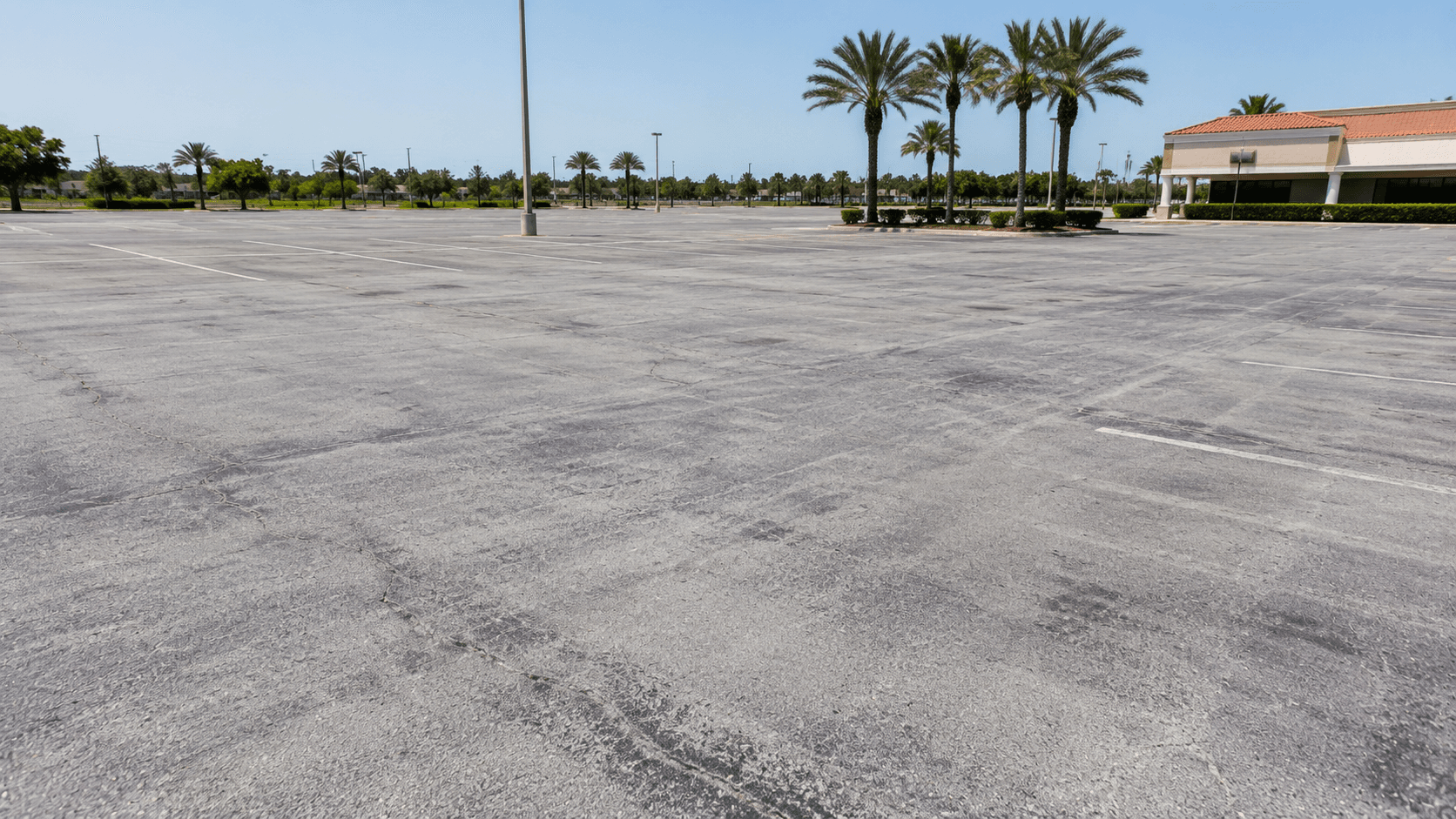
Owners in the Northeast worry about freeze-thaw. Owners in Florida, Texas, and Georgia have a different enemy and it's just as hard on a parking lot, even without a single snowflake.
Heat and UV don't crack asphalt open the way winter does. They do something slower and just as damaging: they cook the binder that holds your pavement together.
I'm Gabriel, founder of FineLines. We maintain commercial lots across the South and Southwest, so here's exactly what heat and sun do to your asphalt, and how to fight back.
How Heat Damages Asphalt
On a hot, sunny day, a dark asphalt surface can get far hotter than the air around it.
The EPA has documented pavement surface temperatures reaching 152°F at mid-day in a pilot study tens of degrees hotter than the air temperature. At that heat, asphalt genuinely softens.
Softened asphalt is vulnerable in ways a cool surface isn't:
- Heavy vehicles and even parked cars can leave impressions or rutting
- The surface becomes more prone to scuffing and shoving under braking and turning traffic
- Repeated softening and hardening as temperatures swing accelerates fatigue in the pavement
How UV Damages Asphalt
Heat softens the surface temporarily. UV radiation does something more permanent it breaks down the chemical structure of the asphalt binder itself.
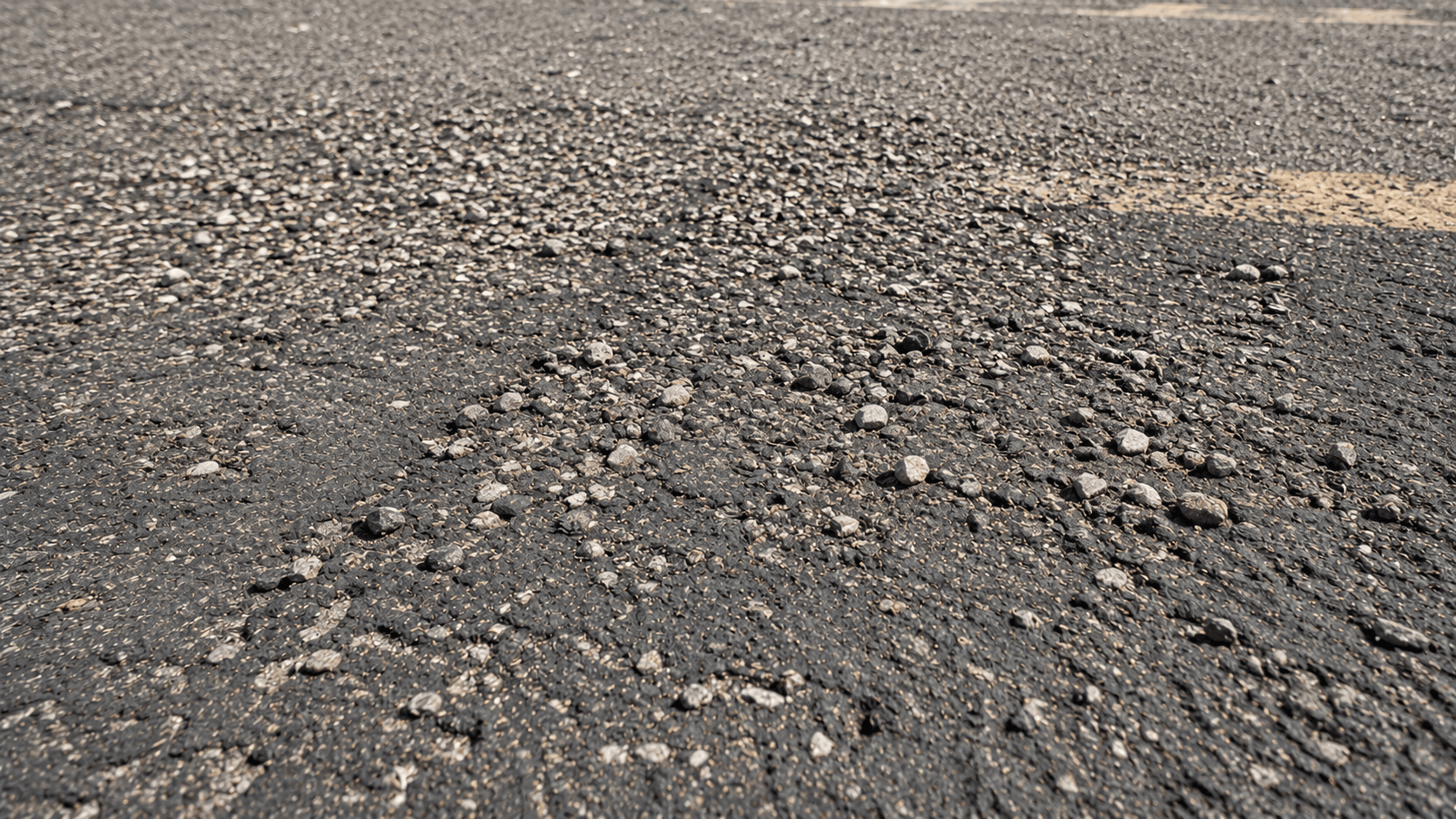
Over time, constant UV exposure causes the binder to oxidize, harden, and lose flexibility. The visible sign is that familiar gray, faded look replacing the deep black of fresh asphalt. Once the binder is brittle, the surface starts to ravel losing the small aggregate stones that used to be held in place.
Why Southern Lots Age Differently Than Northern Ones
Northern lots fail from the inside outfreeze-thaw works cracks open, water gets to the base, and the base fails. Southern lots tend to fail from the surface downthe binder cooks, oxidizes, and the surface deteriorates while the base can still be perfectly sound underneath.
That distinction actually matters for maintenance planning. A Southern lot often benefits from a shorter seal coating cycle to keep replenishing the protective barrier against sun and heat, even if the base itself is holding up fine.
How to Protect a Southern Lot
- Seal coat more frequently. Every 2–3 years, sometimes closer to 2 in the hottest, sunniest regions, since UV works on the surface continuously.
- Watch for raveling early. Loose aggregate on the surface is a sign the binder is already compromisedcatch it before it spreads.
- Be mindful of parked heavy vehicles in peak heat. Trucks or equipment sitting in one spot on a very hot day can leave lasting impressions.
- Choose the right mix design. Asphalt formulated for hot climates resists softening better than a standard mix.
When we handle seal coating for Southern properties, we account for your specific heat and sun exposure rather than applying a one-size schedule built for a different climate. Whether your property is in Florida or Texas, we build the maintenance plan around what your climate actually does to the pavement.
FAQs
Does hot weather damage asphalt parking lots?
Yes. Extreme heat can soften asphalt enough that heavy vehicles leave impressions, and repeated heating and cooling accelerates surface fatigue. Combined with UV exposure, heat is one of the primary reasons Southern parking lots age the way they do.
Why does asphalt turn gray in sunny climates?
UV radiation breaks down the asphalt binder over time, causing it to oxidize and harden. The visible result is that faded gray color replacing the original deep black. It's an early sign the surface needs seal coating.
How often should a Southern parking lot be seal coated?
Many Southern commercial lots benefit from seal coating every 2 to 3 years, sometimes closer to 2 years in the hottest, sunniest regions, since constant UV exposure works on the binder continuously.
What is raveling and why does it happen in hot climates?
Raveling is when the asphalt surface loses its aggregate (small stones) because the binder holding them has broken down. In hot, sunny climates, UV-driven oxidation is a major cause, since the binder dries out and loses its grip on the aggregate over time.
Free Site Assessment