
Signs Your Commercial Parking Lot Needs Seal Coating
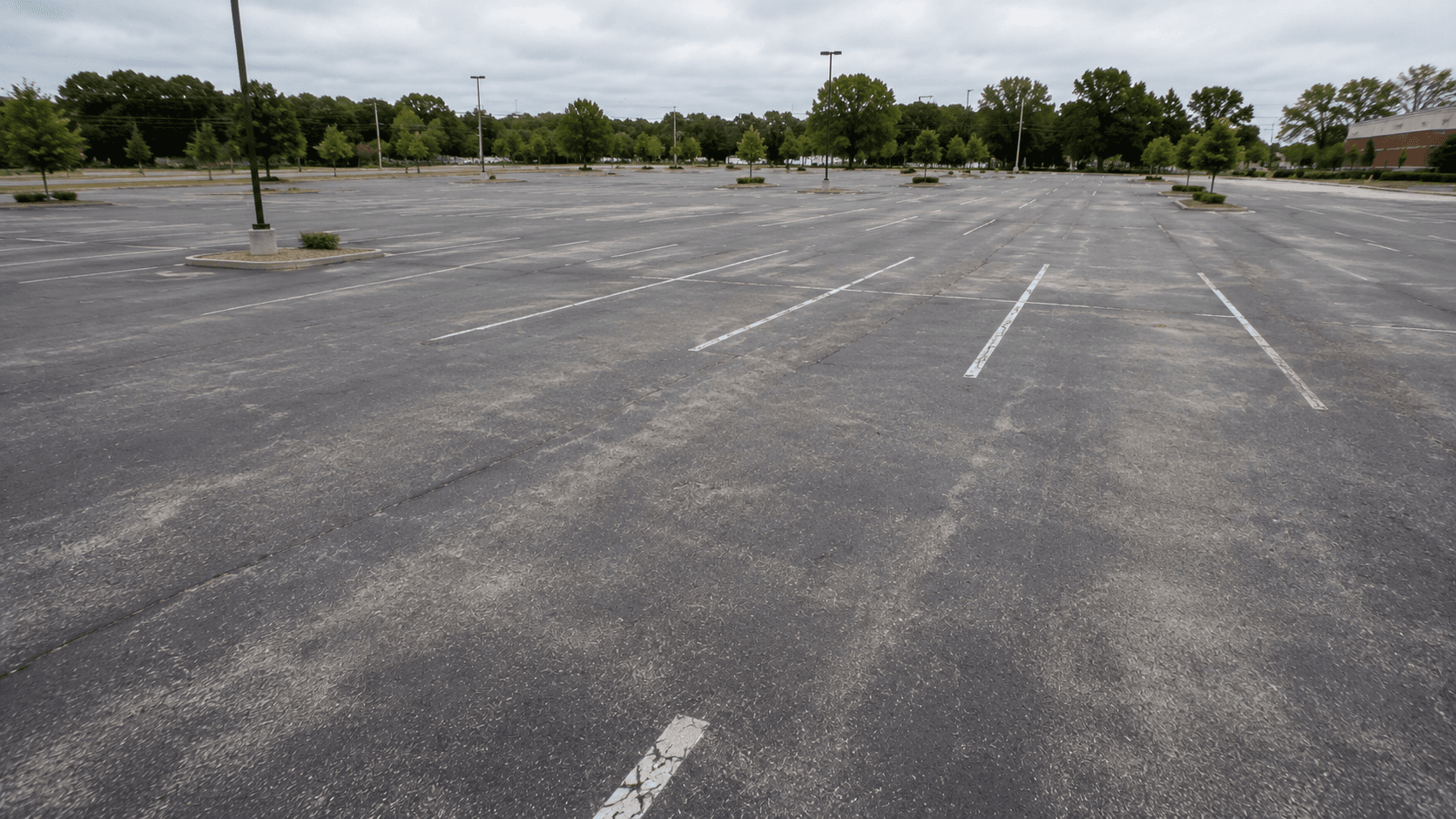
Seal coating works best before your lot looks like it needs it. That's the part most property owners don't realize: by the time the damage is obvious, you've usually missed the ideal window and you're looking at crack filling or patching alongside the seal coat, not instead of it.
I'm Gabriel, founder of FineLines. We seal coat commercial lots across 45+ states, so here are the specific, early signs I look for that tell me a lot is due, before it gets more expensive than it needs to be.
Sign 1: The Asphalt Has Turned Gray
Fresh asphalt is deep black. As UV exposure oxidizes the binder, the surface fades toward gray. This is usually the very first visible sign, and it's the best time to seal coat: the surface is still structurally fine, just losing its protective color.
Sign 2: The Surface Feels Dry or Brittle
Walk or drive across it and pay attention to texture, not just color. A surface that feels rough, chalky, or brittle underfoot has lost flexibility in the binder. That's the material becoming more prone to cracking under normal temperature swings and traffic.
Sign 3: Fine Surface Cracks Are Starting to Appear
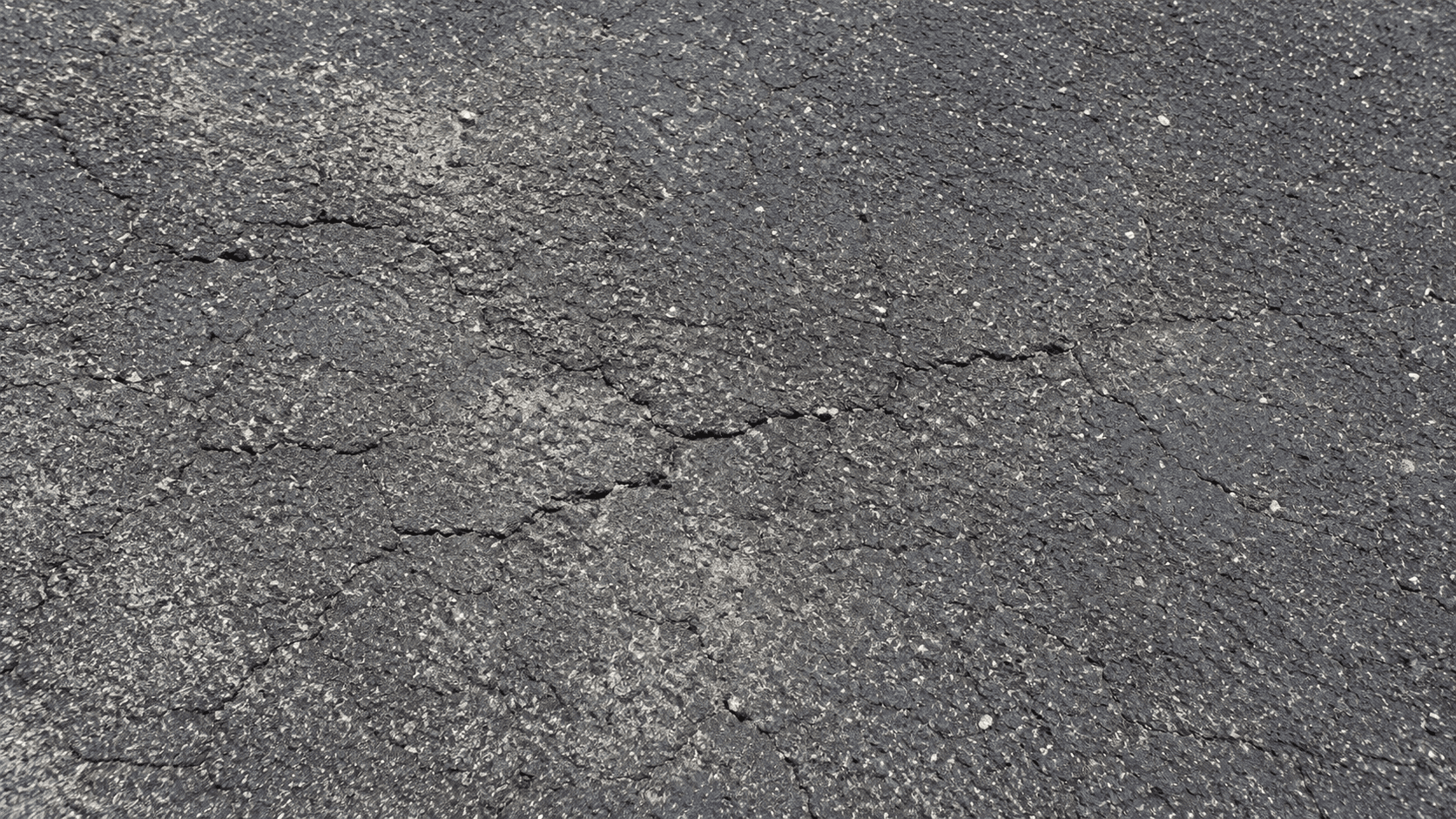
Small, hairline cracks scattered across the surface (not yet a connected pattern, not yet a structural problem) are a sign the protective layer has worn thin enough that the asphalt underneath is starting to show it. This is the last easy window before those cracks need filling as a separate step.
Sign 4: Water Doesn't Bead on the Surface Anymore
A well-sealed lot sheds water: it beads up and runs off rather than soaking in. If you notice water sitting flat and absorbing into the surface after rain, rather than beading, the protective seal has worn away enough to let moisture start working into the asphalt.
Sign 5: It's Been 2–3 Years Since the Last Seal Coat
Even without obvious visual signs yet, most commercial lots benefit from seal coating on a 2–3-year cycle, sooner in high-traffic or harsh-climate properties. Waiting for visible damage means you're already reacting instead of protecting. Once you know it's due, our guide to the best time of year to seal coat covers exactly when to schedule it.
Signs You've Waited Too Long (Seal Coating Alone Won't Fix These)
Three signs mean seal coating alone is no longer enough: connected cracking, visible ravelling, and potholes that have already formed.
- Cracks have connected into a network: seal coating needs crack filling done first, or it just seals moisture in rather than out.
- Ravelling, with loose aggregate visible: at this stage, seal coat may not bond properly to a surface that's already breaking down.
- Potholes have formed: these need proper repair before any seal coat goes down, not after.
None of these mean seal coating is off the table. They mean it's now one step in a slightly bigger job, not the whole job. Our seal coating vs. crack filling breakdown covers exactly how those two treatments work together once you're at this stage.
Why Catching It Early Actually Saves Money
Seal coating on schedule costs a small fraction of what resurfacing or full replacement runs. The math is simple: a lot sealed at the first gray, brittle-surface stage costs far less over its lifetime than one that gets sealed only after cracking and ravelling have already set in, because at that point, you're paying for crack filling and repair on top of the seal coat itself.
Quick Reference
| What You See | What It Means |
|---|---|
| Fading to gray, still smooth | Ideal seal coating window |
| Dry, brittle texture | Binder is drying out, seal coat soon |
| Fine hairline cracks | Last easy window before crack filling is also needed |
| Water no longer beads | Protective layer has worn through |
| Connected cracking or ravelling | Repair/crack fill needed alongside seal coat |
When we assess a lot for seal coating, we tell you exactly which of these stages you're at, and whether it's a straightforward seal coat or something that needs crack filling first. If you're at the budgeting stage, our seal coating cost breakdown walks through real 2026 pricing by lot size.
FAQs
What is the earliest sign a parking lot needs seal coating?
Fading from deep black to gray is usually the first visible sign. It reflects UV oxidation of the asphalt binder and is the ideal point to seal coat, before the surface starts cracking or losing texture.
Can I seal coat a lot that already has cracks?
Yes, but the cracks should be filled first. Seal coating over open cracks traps moisture rather than keeping it out. Fine, isolated hairline cracks are usually fine to address alongside seal coating; a connected crack network needs filling as its own step beforehand.
How often should a commercial parking lot be seal coated?
Most commercial lots benefit from seal coating every 2 to 3 years, sooner for high-traffic properties or harsh climates. Waiting for visible signs before scheduling means you're reacting to damage rather than preventing it.
Does a gray, faded parking lot need to be replaced?
No, in most cases greying alone just means the surface needs to be seal coated. Replacement only becomes necessary once there's structural damage like widespread cracking, recurring potholes, or base failure, well beyond simple fading.
Free Site Assessment