
Why Freeze-Thaw Winters Are Brutal On Northeast Parking Lots
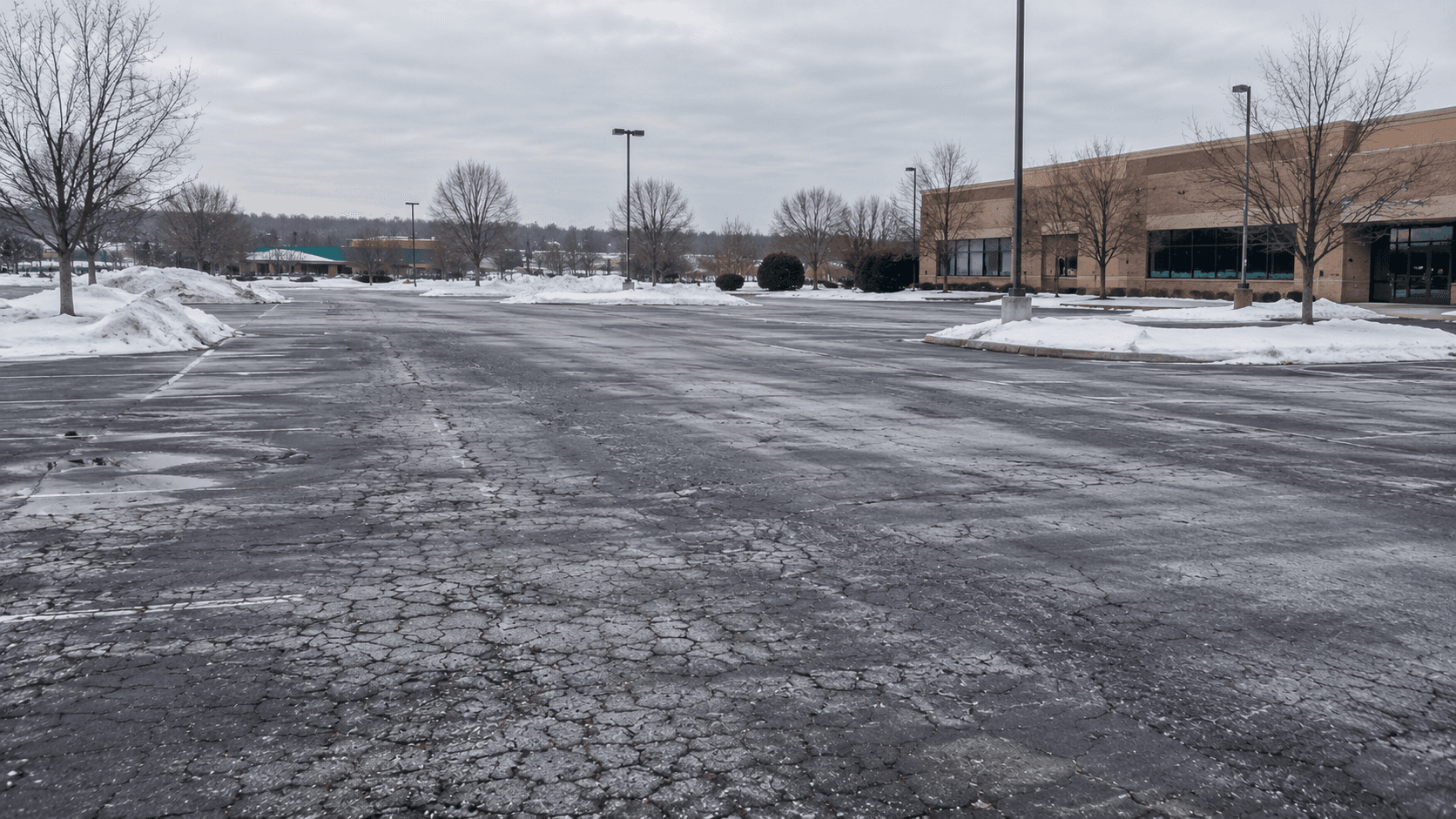
If you own commercial property in the Northeast, your parking lot fights a battle every winter that lots in warmer states never face. And most years, the lot is losing.
Between freeze-thaw cycles and road salt, a Northeast winter is about the hardest thing you can put an asphalt lot through. I've watched good pavement age five years in one bad season.
I'm Gabriel, founder of FineLines. We maintain commercial lots up and down the Northeast, so here's exactly what winter does to your asphalt , and how to fight back.
The Northeast's Freeze-Thaw Problem
Most of the Northeast goes through dozens of freeze-thaw cycles every winter , temperatures crossing the freezing point over and over, day after day. Each cycle is another chance for damage.
You can see how hard your area gets hit by checking your region's winter climate normals from NOAA. The more freezing-and-thawing your lot goes through, the harder the season is on it.
How One Winter Damages Your Lot
Here's the chain of events , brutal in its simplicity:
- Water gets into a small crack in your asphalt.
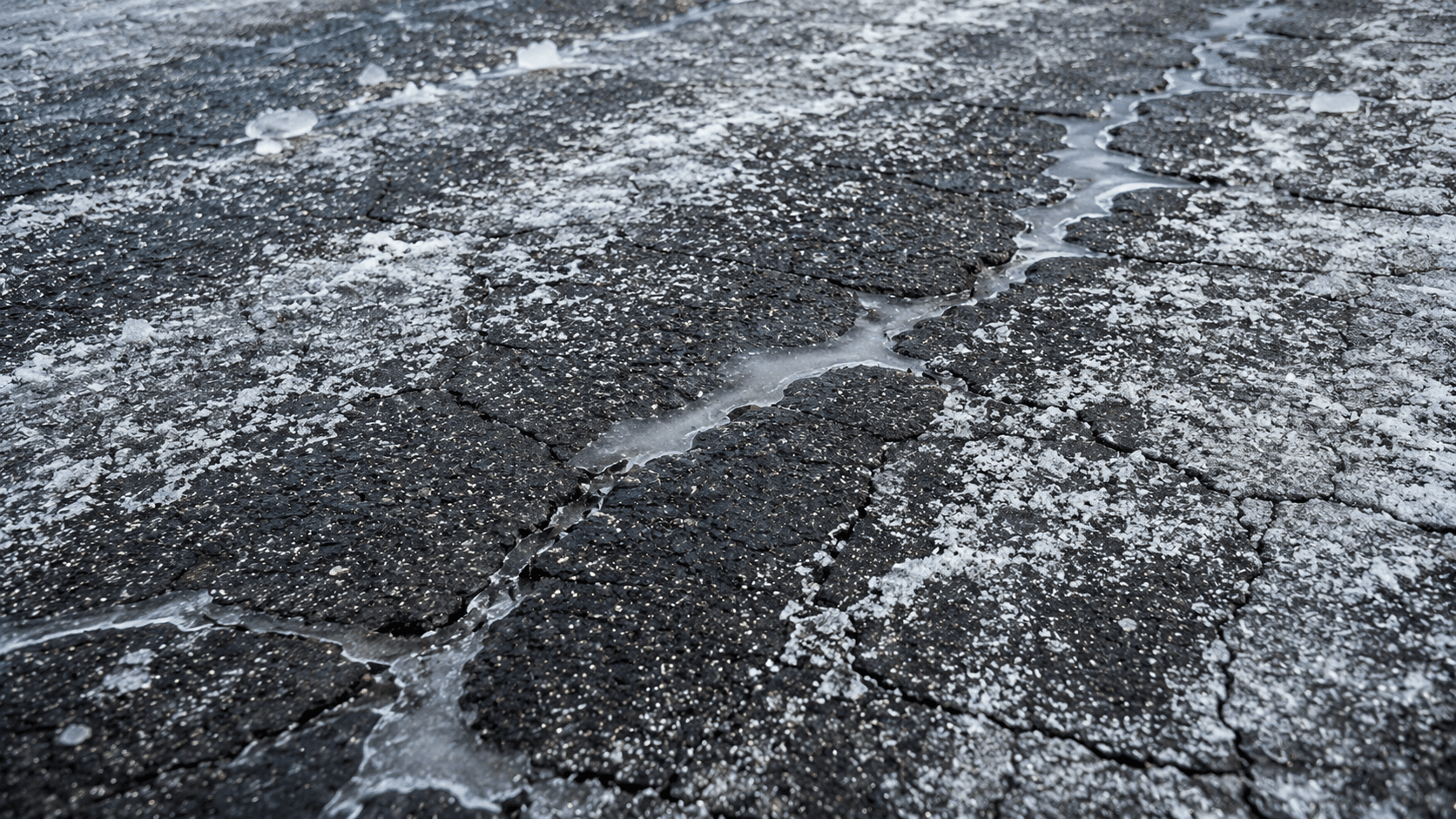
- Overnight it freezes and expands about 9%, prying the crack wider from the inside.
- It thaws, and more water seeps deeper.
- Repeat that dozens of times, and the crack reaches the base.
- A weakened, saturated base gives way under traffic , and you've got a pothole by spring.
That's why potholes seem to appear all at once in March. The damage was quietly building all winter.
Salt Makes It Worse
Northeast lots take a second hit that southern lots don't: de-icing salt. Road salt and chemicals speed up how fast asphalt oxidizes and attack the binder holding your surface together. Salt also keeps moisture on the surface longer, feeding the freeze-thaw cycle. It's necessary for safety , and hard on your pavement.
How to Protect a Northeast Lot
You can't stop winter, but you can win the battle with timing. Two windows matter most.
Before Winter (Fall)
- Fill every crack. The single most important step , no open cracks means no water getting in to freeze.
- Seal coat if you're due. It adds a protective barrier before the salt and cold hit.
- Clear drainage. Make sure meltwater runs off instead of pooling.
After Winter (Spring)
- Inspect the whole lot. Look for new cracks and potholes as soon as the thaw arrives.
- Repair damage fast. Fix it before spring rain drives it deeper.
Get those two windows right and your lot survives winters that destroy neglected ones.
We Know Northeast Winters
FineLines is based in New York, and the Northeast is our home turf. We know what freeze-thaw and salt do to commercial lots here because we're out fixing it every spring. Whether your property is in New York, New Jersey, Connecticut, or Pennsylvania, we'll get it winter-ready and back in shape after the thaw.
FAQs
Why do potholes appear in spring?
Because winter freeze-thaw cycles quietly widen cracks and weaken the base all season. Water freezes in cracks, expands, and pries them apart over and over. By spring the damage surfaces all at once as potholes.
Does road salt damage asphalt?
Yes. De-icing salt accelerates oxidation and binder breakdown, and it keeps moisture on the surface longer, feeding freeze-thaw damage. It's necessary for safety but hard on pavement, which makes maintenance even more important in salted regions.
When should I seal coat and crack fill in the Northeast?
Do crack filling and any seal coating in the fall, before winter. Sealing cracks before the freeze keeps water out during the season that does the most damage. Follow up with a spring inspection.
How often do Northeast parking lots need maintenance?
Because winters are harsh, plan on crack filling every fall, a spring inspection, and seal coating every 2 to 3 years , more often than milder climates require.
Free Site Assessment