
Asphalt Joint Sealing: When You Need It vs. Crack Filling
Quick Answer
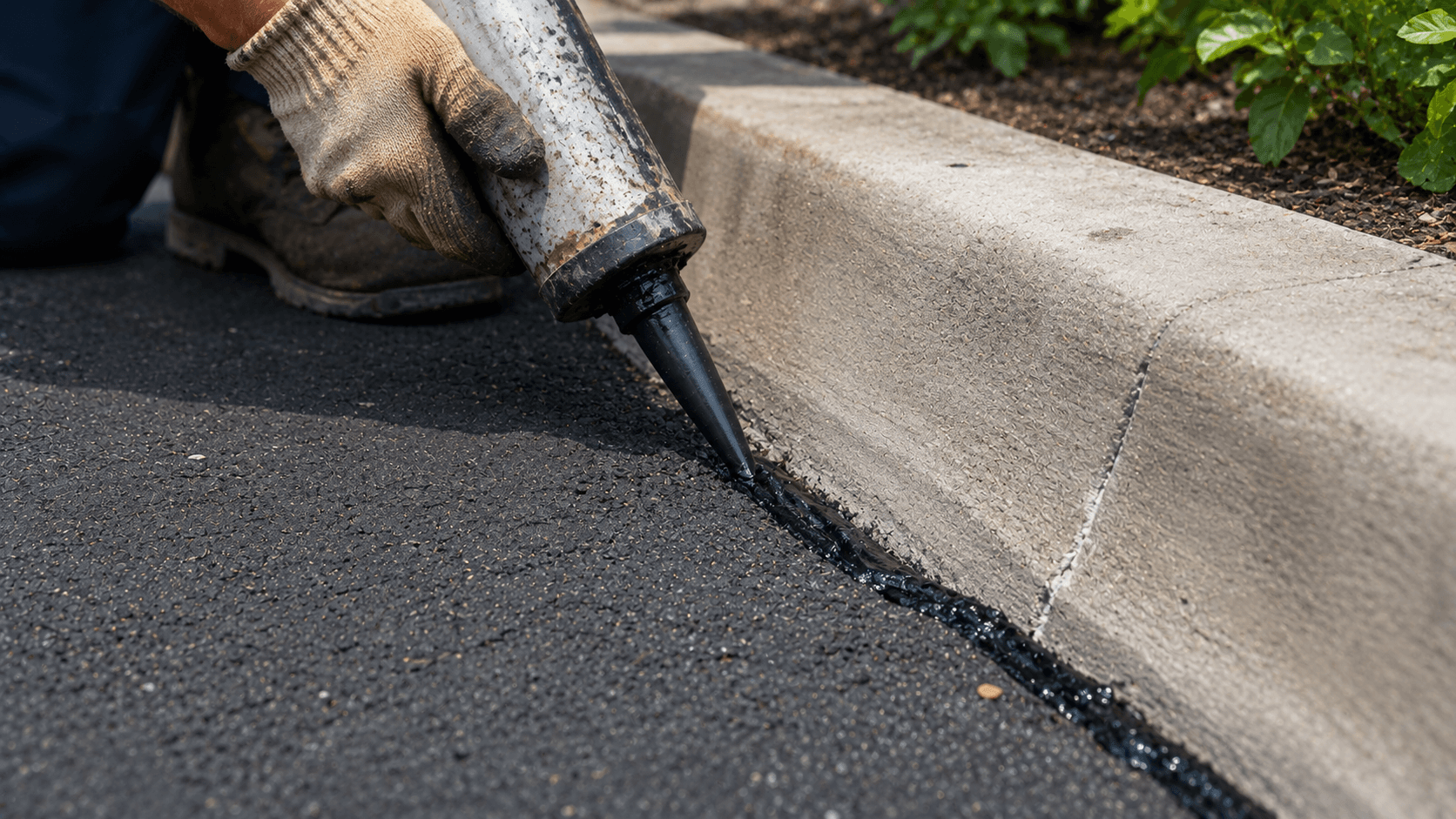
Joint sealing seals the seam between two different materials, most often asphalt and concrete curbs. Crack filling seals cracks within the asphalt itself. They are different repairs for different problems.
Joint sealing gets confused with crack filling constantly, and I understand why. Both use similar-looking rubberized material, but what they actually seal is completely different.
I am Gabriel, founder of FineLines. Here is the real distinction, and how to know which one your property needs.
What Is Asphalt Joint Sealing?
Joint sealing is the process of sealing the transition line where two different pavement materials meet, most commonly where asphalt meets a concrete curb, gutter, drainage structure, or expansion joint. It is a different repair than crack filling, even though the materials used look similar.
How Joint Sealing Differs From Crack Filling
Crack filling addresses cracks that form within a single asphalt surface. Joint sealing addresses the seam between two different materials, most often asphalt and concrete, which expand and contract at different rates as temperatures change. That difference in movement is exactly what causes joints to open up in the first place.
| Crack Filling | Joint Sealing | |
|---|---|---|
| What it seals | Cracks within asphalt | Seams between asphalt and concrete |
| Why it fails without treatment | Water enters cracks, freezes, expands | Materials expand/contract at different rates |
| Common locations | Anywhere on the asphalt surface | Curbs, gutters, drains, expansion joints |
Where Commercial Lots Need Joint Sealant
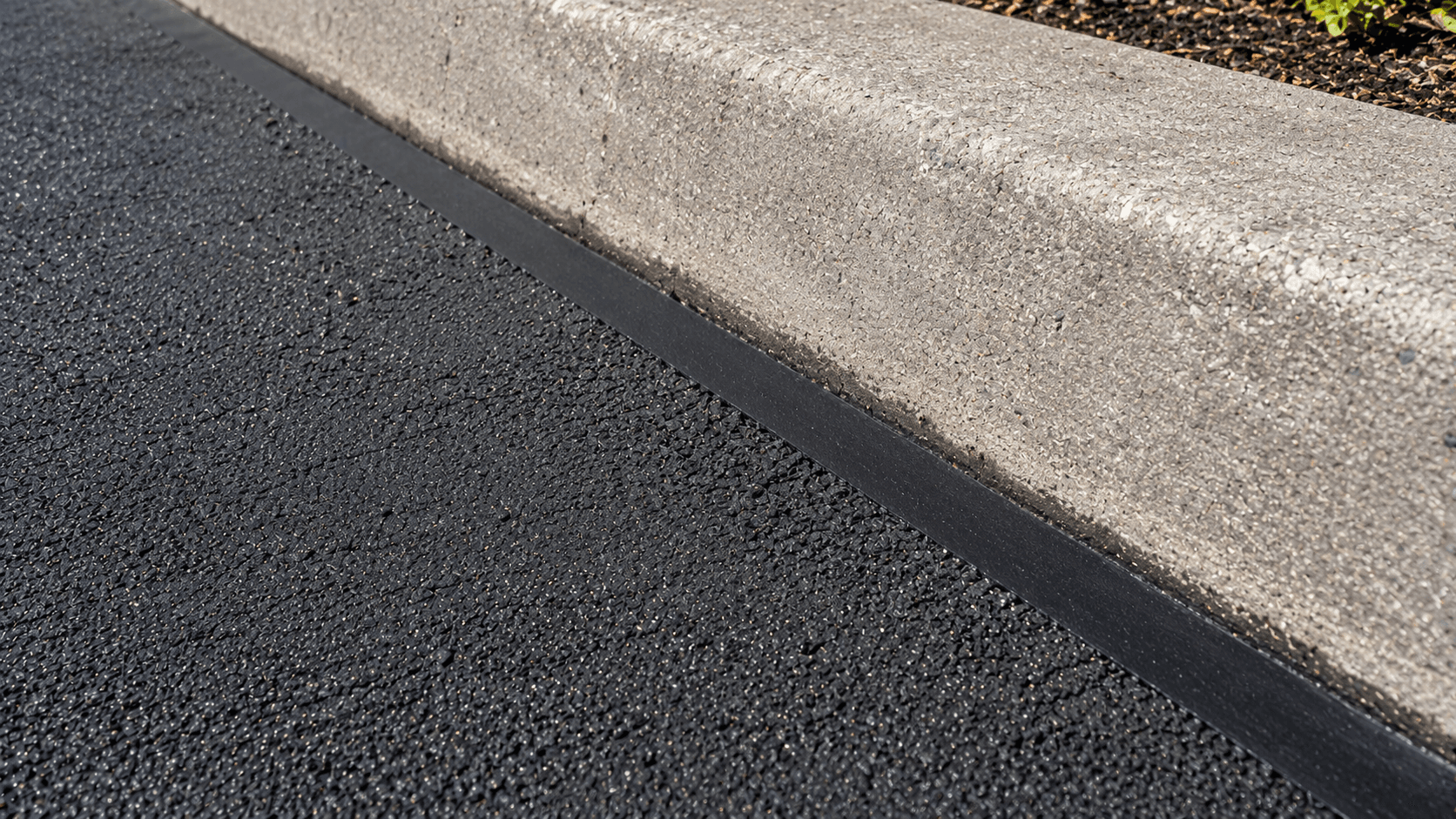
The most common spots on a commercial property are asphalt-to-concrete curb transitions, gutter and drainage structure edges, and any expansion joints built into the pavement to accommodate seasonal movement. Left unsealed, these are direct entry points for water into the base.
How Long Does Joint Sealant Last?
A properly installed hot-applied joint sealant, meeting ASTM D6690 standard specifications, typically holds up for several years before needing reapplication, similar in lifespan to hot rubber crack sealing. Cracked or missing prep work is the most common reason a joint sealant fails early.
Joint Sealing Is a Separate Line Item From Seal Coating
The two are often scheduled together as part of a full maintenance visit, but joint sealing is its own distinct service, not something automatically bundled in. Our seal coating vs. crack filling guide covers the surface-level side of maintenance that joint sealing works alongside.
FAQs
What is the difference between joint sealing and crack filling?
Crack filling addresses cracks within a single asphalt surface. Joint sealing addresses the seam between two different materials, most often asphalt and concrete, which expand and contract at different rates.
Where does a commercial parking lot need joint sealant?
The most common locations are asphalt-to-concrete curb transitions, drainage structure edges, and built-in expansion joints, all places where two different materials meet and move independently.
How long does asphalt joint sealant last?
A properly installed hot-applied joint sealant meeting ASTM D6690 standards typically lasts several years, similar to hot rubber crack sealing, assuming proper surface prep before application.
Is joint sealing part of a standard seal coating job?
Not automatically. Joint sealing is its own service, though it is commonly scheduled alongside seal coating and crack filling as part of a complete maintenance visit.
Free Site Assessment